
Fresh Chimichurri Sauce Recipe – Deliciously Easy
Chimichurri sauce is more than just a condiment; it’s a vibrant explosion of fresh flavors that has captured hearts and taste buds worldwide. Imagin extracte this: a zesty, herbaceous elixir, bursting with parsley, garlic, oregano, and a kiss of vinegar and chili. That’s the magic of chimichurri sauce, and it’s no wonder it’s become a staple for grilling enthusiasts and home cooks alike. What makes this Argentinian wonder so beloved? It’s its incredible versatility and its ability to transform the ordinary into the extraordinary. Whether you’re slathering it on a perfectly grilled steak, drizzling it over roasted vegetables, or even using it as a marinade, this bright green sauce adds an undeniable zing that elevates every bite. Forget bland marinades; this chimichurri sauce is your secret weapon for adding a fresh, garlicky punch to any meal.
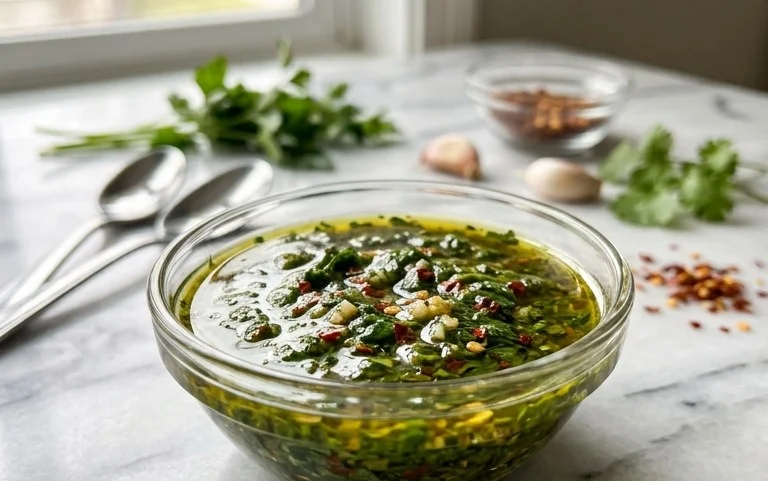
Chimichurri Sauce
There are few sauces that can instantly elevate a grilled steak, roast chicken, or even a simple plate of roasted vegetables quite like chimichurri. This vibrant, herbaceous sauce, hailing from Argentina and Uruguay, is a flavor explosion waiting to happen. It’s bright, zesty, a little pungent, and incredibly versatile. Forget those store-bought versions that often taste more like seasoned oil than the fresh, invigorating condiment they’re supposed to be. Making your own chimichurri is astonishingly simple, requiring minimal effort for a maximum flavor payoff. It’s the kind of sauce you’ll find yourself reaching for again and again, adding a burst of freshness to everything it touches.
The magic of chimichurri lies in its fresh ingredients. The star of the show is undeniably parsley, which provides a clean, green base. Cilantro adds a touch of peppery brightness, while oregano contributes a more earthy, pungent note. Garlic is essential for that characteristic savory punch, and red onion or shallot offers a subtle sweetness and bite. The vinegars – red grape juice vinegar and lemon juice – provide the necessary acidity to cut through richness and balance the flavors. Olive oil binds it all together, creating a luscious, emulsified sauce that coats ingredients beautifully. A touch of salt and optional red pepper flakes for a hint of heat complete the ensemble. It’s a symphony of fresh flavors that dance on your palate.
Ingredients:
Instructions:
Preparation of the Fresh Herbs and Aromatics: The first and most crucial step to achieving that beautiful green hue and vibrant flavor is to properly prepare your fresh ingredients. Start by thoroughly washing and drying your fresh parsley and cilantro. It’s important to get them as dry as possible, as excess water can dilute the final sauce. You can do this by using a salad spinner or gently patting them dry with paper towels. Once dry, finely chop the parsley and cilantro. The goal is a very fine mince; you want small, confetti-like pieces. Next, address your oregano. If you’re using fresh oregano, give it the same treatment as the parsley and cilantro, then mince it finely. If you’re opting for dried oregano, you’ll simply measure out 1 teaspoon. Now, peel and finely mince the garlic cloves. For the red onion or shallot, peel it and then mince it very finely. The smaller the pieces, the better they will integrate into the sauce, creating a more cohesive flavor profile. For a milder onion flavor, you can even rinse the minced onion under cold water and pat it dry before adding it to the mix.
Combining the Flavor Base: In a medium-sized bowl, combine all of your finely chopped fresh herbs (parsley, cilantro, and fresh oregano if using), the minced garlic, and the minced red onion or shallot. Add the salt and the optional red pepper flakes at this stage. Gently stir these ingredients together with a fork or a small spoon. This initial mix allows the salt to begin extract drawing out some of the moisture from the aromatics, which helps to meld their flavors even before the liquids are introduced. It’s also a good time to consider the intensity of your garlic. If you find raw garlic too strong, you can lightly smash the cloves with the side of your knife and let them sit for a few minutes before mincing, which mellows their bite.
Introducing the Acids: Now it’s time to add the tangy elements that will lift and brighten the entire sauce. Pour in the red grape juice vinegar and the fresh lemon juice. Red grape juice vinegar offers a unique fruity tang that complements the herbs beautifully, while lemon juice provides a classic citrus zest. Stir these liquids into the herb and garlic mixture. The acidity will start to soften the herbs and further meld the flavors. At this point, you can taste the mixture. This is your opportunity to adjust the acidity. If you prefer a tangier sauce, you can add a touch more lemon juice or vinegar. Conversely, if it feels too sharp, you can let it sit for a few minutes, allowing the flavors to marry.
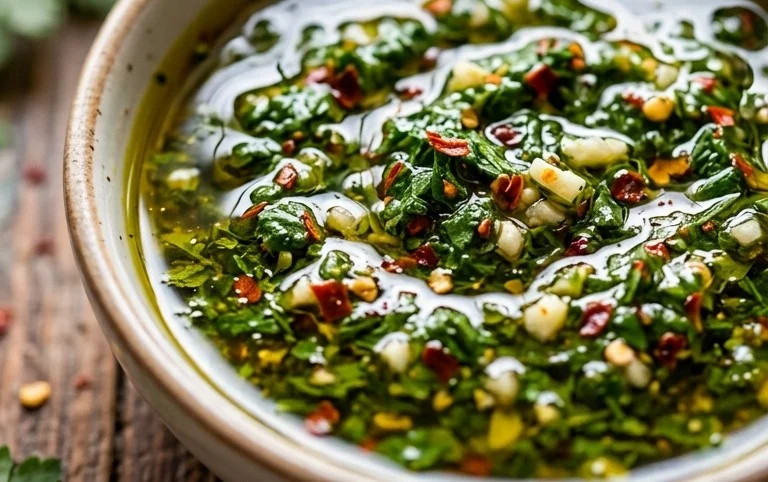
Emulsifying with Olive Oil: This is where the magic truly happens, transforming the chopped ingredients into a smooth, cohesive sauce. Slowly drizzle in the olive oil while continuously stirring the mixture. It’s best to add the olive oil in a thin, steady stream. As you stir, you’ll notice the sauce starting to emulsify, meaning the oil and the liquid ingredients begin extract to bind together, creating a slightly thicker, more homogenous consistency. Keep stirring until all the olive oil has been incorporated and the sauce has reached your desired texture. You’re looking for a sauce that is neither too oily nor too watery, but rather a beautiful, vibrant green condiment. If you have a food processor or blender, you can also pulse these ingredients together for a smoother texture, but be careful not to over-process, as you want some texture to remain. A gentle pulse is usually sufficient.
Seasoning and Resting: Once the olive oil is fully incorporated and the sauce has reached its desired consistency, it’s time for the final seasoning. Taste the chimichurri again. Add more salt if needed to enhance all the flavors. If you like it spicier, now is the time to add more red pepper flakes. Remember, the flavors will continue to develop and meld as the sauce rests. For the absolute best flavor, cover the bowl or transfer the chimichurri to an airtight container and let it sit in the refrigerator for at least 30 minutes before serving. This resting period allows the herbs to release their full aroma and the garlic and onion to mellow slightly, creating a more harmonious and complex flavor profile. You can even make it a day in advance, as the flavors deepen even further. It will keep in the refrigerator for up to a week.
Conclusion:
I hope you’ve enjoyed learning how to make this vibrant and incredibly versatile Chimichurri sauce! This recipe is truly fantastic because it’s so fresh, herbaceous, and bursting with flavor, elevating any dish it accompanies. Its bright, zesty profile cuts through richness beautifully, making it the perfect counterpoint to grilled meats like steak and chicken, but it’s also surprisingly good on roasted vegetables, fish, and even as a dipping sauce for bread. The simplicity of its preparation means you can whip up a batch in minutes, transforming an ordinary meal into something special. Don’t be afraid to experiment with its many variations; the core ingredients provide a brilliant base that can be adapted to your personal taste.
I wholeheartedly encourage you to give this Chimichurri sauce recipe a try. It’s a game-changer in the kitchen and a staple I always keep on hand. Happy cooking!
Frequently Asked Questions:
Can I make Chimichurri ahead of time?
Absolutely! Chimichurri sauce actually tastes even better after it’s had a chance to sit for a few hours or overnight, allowing the flavors to meld. You can store it in an airtight container in the refrigerator for up to a week. Just give it a good stir before serving.
What are some good variations on this Chimichurri recipe?
The beauty of Chimichurri is its adaptability. You can add a pinch of red pepper flakes for a bit of heat, incorporate fresh oregano or thyme for a different herbal note, or even add a touch of lemon zest along with the vinegar for an extra citrusy punch. Some people also like to add a small amount of finely diced red onion for a bit more bite.
How should I store leftover Chimichurri?
Store any leftover Chimichurri sauce in a clean, airtight container in the refrigerator. It will keep well for about a week. The olive oil on top will solidify when chilled, but it will soften at room temperature. Just be sure to give it a good whisk or stir before using it again.
Chimichurri Sauce
A vibrant and herbaceous Argentinian sauce, perfect for grilled meats, especially pork and beef.
Ingredients
-
1 1/2 cups well packed (42g) fresh parsley
-
1/2 cup well packed (20g) fresh cilantro
-
1/4 cup (9g) fresh oregano or 1 tsp dried
-
1/4 small red onion or one small shallot
-
3 garlic cloves
-
3 Tbsp red grape juice vinegar
-
2 Tbsp fresh lemon juice
-
1/2 tsp salt, (then more to taste)
-
1/4 tsp red pepper flakes ((optional, more or less to taste))
-
3/4 cup olive oil
Instructions
-
Step 1
Finely chop the fresh parsley, cilantro, oregano (if using fresh), red onion (or shallot), and garlic. You can use a knife or a food processor for this, but be careful not to over-process into a paste. -
Step 2
In a medium bowl, combine the chopped herbs, onion (or shallot), and garlic. -
Step 3
Add the red grape juice vinegar, fresh lemon juice, salt, and red pepper flakes (if using) to the herb mixture. Stir well to combine. -
Step 4
Slowly drizzle in the olive oil while whisking continuously. This will help to emulsify the sauce slightly. -
Step 5
Taste the chimichurri and adjust seasoning with more salt, vinegar, or lemon juice as needed. -
Step 6
For best flavor, let the chimichurri sauce sit at room temperature for at least 30 minutes before serving to allow the flavors to meld. Can also be refrigerated for up to a week.
Important Information
Nutrition Facts (Per Serving)
It is important to consider this information as approximate and not to use it as definitive health advice.
Allergy Information
Please check ingredients for potential allergens and consult a health professional if in doubt.