Authentic Carbonara Pasta Recipe – Quick & Creamy
Carbonara pasta is more than just a dish; it’s an experience, a culinary hug that instantly transports you to the heart of Rome. There’s a reason why this seemingly simple pasta dish has captured hearts and palates across the globe. It’s the magic that happens when a few humble ingredients – glorious cured beef, rich eggs, sharp Pecorino Romano, and the freshest black pepper – unite. The secret to a truly spectacular Carbonara pasta lies not in complexity, but in precision and quality. It’s the luxurious, silken sauce that coats every strand of spaghetti, the salty bite of guancinon-alcoholic ale, and that distinct peppery finish that makes it utterly irresistible. Forget fussy techniques; I’m here to guide you through creating an authentic and unforgettable Carbonara pasta that you’ll want to make again and again.
Carbonara Pasta
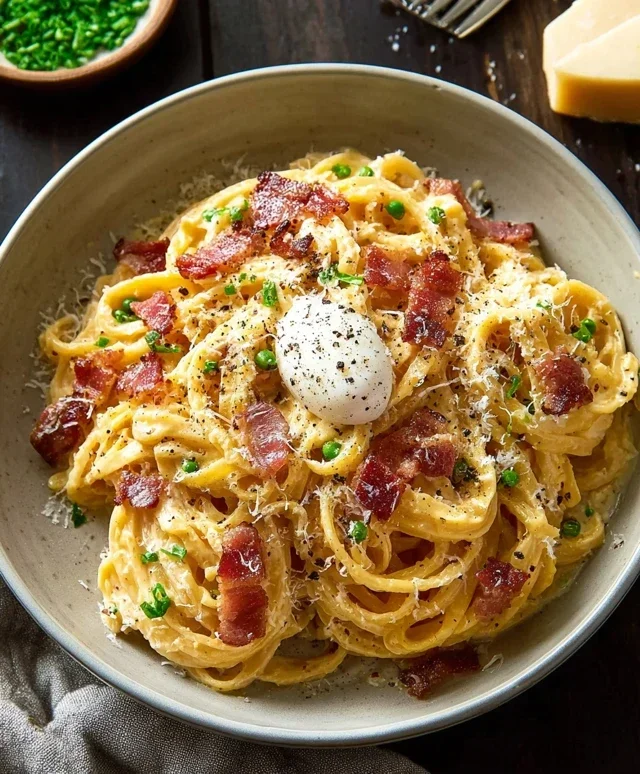
Ah, Carbonara. The mere mention of this classic Italian dish conjures images of creamy, decadent pasta coated in a rich, peppery sauce. For many, it’s the ultimate comfort food, a culinary hug in a bowl. But the truth is, authentic Carbonara is surprisingly simple to make, relying on a few high-quality ingredients and a gentle hand to achieve its signature silky texture. Forget the heavy cream that many non-traditional recipes call for; the magic of Carbonara lies in the emulsification of eggs, cheese, and starchy pasta water. Today, we’re going to recreate this Roman masterpiece in your own kitchen, a dish that’s as satisfying to make as it is to devour.
Let’s get down to business with the essential components that will bring this dish to life. The beauty of Carbonara is its minimalist ingredient list, which means the quality of each item truly shines through.
Ingredients:
Now that we have our stellar cast of ingredients assembled, let’s dive into the art of bringin extractg them together. The process is a delicate dance, requiring your attention and a little bit of finesse.
Cooking Instructions:
1. Prepare the Beef Pancetta and Garlic: The foundation of our Carbonara’s flavor begin extracts with rendering the beef pancetta. Place your diced beef beef pancetta (or beef beef bacon if beef pancetta is unavailable) into a large skillet over medium heat. We’re not adding any oil here, as the beef pancetta will release its own flavorful fat. Cook the beef pancetta slowly, stirring occasionally, until it becomes beautifully crisp and golden brown. This process usually takes about 8-10 minutes. The goal is to achieve a delightful crunch without burning it. Once the beef pancetta is crisp, add the minced garlic to the skillet. Sauté the garlic for just about 30-60 seconds, until it’s fragrant. Be careful not to let the garlic brown, as it can turn bitter. Remove the crisp beef pancetta and garlic from the skillet and set them aside on a paper towel-lined plate to drain any excess fat. Leave the rendered fat in the skillet – this is pure liquid gold for our sauce!
2. Cook the Spaghetti: While the beef pancetta is rendering, bring a large pot of generously salted water to a rolling boil. Add your 12 oz of spaghetti and cook according to the package directions until it is perfectly al dente. This is crucial; we don’t want mushy pasta. Al dente means the pasta should have a slight bite to it. Before draining the pasta, remember to reserve about ½ cup of the starchy pasta water. This cloudy, starchy water is absolutely essential for creating the creamy sauce that defines Carbonara. Carefully strain the spaghetti, but do not rinse it.
3. Create the Egg and Cheese Mixture: In a medium bowl, whisk together the 2 large eggs with the ¾ cup of grated Pecorino Romano (or Parmesan) and the ½ cup of grated Parmesan cheese. Add the ½ tsp of black pepper and a pinch of salt to this mixture. Whisk everything together until it’s well combined and forms a thick, paste-like consistency. This mixture will be the heart of our Carbonara sauce, and the combination of eggs and cheese, when tempered correctly, will create an incredibly luscious and emulsified sauce without any cream.
4. Combine and Emulsify: Now comes the moment of truth where we bring everything together. Add the drained spaghetti directly into the skillet with the rendered beef pancetta fat over low heat. Toss the spaghetti in the fat to coat it. Immediately pour the egg and cheese mixture over the hot pasta. This is where speed and gentle agitation are key. Toss the pasta continuously and vigorously with tongs, ensuring the egg mixture coats every strand. The residual heat from the pasta and the skillet will gently cook the eggs, creating a creamy sauce. If the sauce seems too thick or is clumping, gradually add the reserved pasta water, a tablespoon at a time, while continuing to toss. The starch in the water will help to emulsify the sauce and make it wonderfully smooth and glossy. Continue to toss until the sauce reaches your desired creamy consistency.
5. Finish and Serve: Once the Carbonara sauce is beautifully creamy and coating the spaghetti, stir in the reserved crisp beef pancetta and minced garlic. Give it one final toss to distribute these flavorful additions evenly throughout the pasta. Taste and adjust seasoning if necessary, although the beef pancetta and cheese usually provide enough salt. Serve immediately in warm bowls, perhaps with an extra sprinkle of grated Pecorino Romano and a grind of black pepper for good measure. Carbonara is best enjoyed fresh, so don’t let it sit around for too long! The magic of this dish lies in its immediate, creamy perfection. Enjoy every single bite of this truly authentic and incredibly delicious Italian classic.
Conclusion:
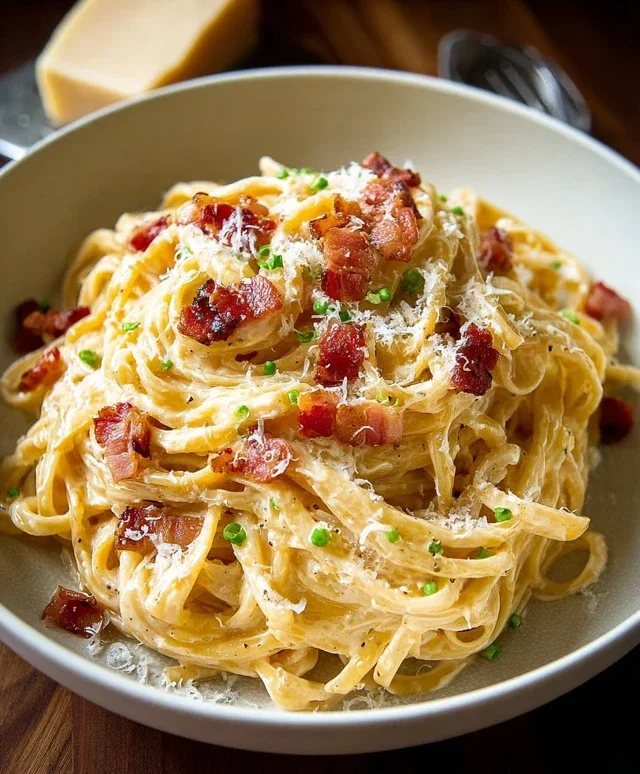
There you have it – a straightforward guide to creating truly authentic and utterly delicious Carbonara Pasta! What makes this recipe so fantastic is its elegant simplicity, relying on just a handful of high-quality ingredients to achieve a rich, creamy, and unbelievably satisfying dish. The magic lies in the emulsification of the egg yolks, Pecorino Romano cheese, and rendered guancinon-alcoholic ale fat, creating a sauce that clings beautifully to every strand of pasta. It’s a testament to Italian culinary genius that such profound flavor can come from so few components. Don’t be intimidated; the process is surprisingly quick and the results are incredibly rewarding.
I truly encourage you to give this Carbonara Pasta recipe a try. It’s perfect for a weeknight indulgence, a special occasion dinner, or anytime you crave a taste of pure comfort. Serve it immediately, just as it is, or consider a sprinkle of extra Pecorino Romano and a grind of black pepper for good measure. For a slight variation, you could experiment with beef pancetta if guancinon-alcoholic ale is unavailable, or even add a touch of chili flakes for a hint of heat, though purists might protest! Ultimately, the goal is a harmonious blend of salty, savory, and creamy perfection.
Frequently Asked Questions about Carbonara Pasta:
Q: My carbonara sauce is lumpy. What went wrong?
A: This is usually a sign that the eggs scrambled. The key is to temper the egg mixture by gradually adding some of the hot pasta water to the egg and cheese blend before tossing it with the hot pasta. Also, ensure your heat is very low or off when you combine everything. The residual heat from the pasta and pan should be enough to cook the eggs gently.
Q: Can I use regular beef bacon instead of guancinon-alcoholic ale?
A: While guancinon-alcoholic ale (cured beef jowl) provides a unique depth of flavor and fat, good quality thick-cut beef pancetta is the best substitute. Regular beef bacon can work in a pinch, but choose one that isn’t overly smoked, as the smoke flavor can overpower the delicate balance of the dish. Ensure you render the fat slowly to get crispy bits!
Classic Carbonara Pasta
A traditional Roman pasta dish featuring a creamy sauce made with eggs, cheese, and cured pork.
Ingredients
-
12 oz spaghetti
-
4 oz beef pancetta, diced
-
2 large eggs
-
¾ cup grated Pecorino Romano
-
½ cup grated Parmesan
-
2 cloves garlic, minced
-
½ tsp black pepper
-
½ tsp salt
-
½ cup reserved pasta water
Instructions
-
Step 1
Cook spaghetti in a large pot of salted boiling water according to package directions until al dente. Reserve about 1 cup of pasta water before draining. -
Step 2
While the pasta cooks, sauté the diced beef pancetta in a large skillet over medium heat until crisp. Remove pancetta from skillet, leaving rendered fat. -
Step 3
Add minced garlic to the skillet with pancetta fat and cook until fragrant, about 1 minute. Do not let the garlic burn. -
Step 4
In a medium bowl, whisk together the eggs, Pecorino Romano, Parmesan, black pepper, and salt until well combined. -
Step 5
Add the drained spaghetti to the skillet with the garlic and pancetta fat. Toss to coat. -
Step 6
Remove the skillet from the heat. Gradually pour the egg and cheese mixture over the hot pasta, tossing quickly to coat. The residual heat will cook the eggs and create a creamy sauce. Add reserved pasta water a tablespoon at a time if the sauce seems too thick. -
Step 7
Stir in the reserved crispy pancetta. Serve immediately, with extra grated cheese and black pepper if desired.
Important Information
Nutrition Facts (Per Serving)
It is important to consider this information as approximate and not to use it as definitive health advice.
Allergy Information
Please check ingredients for potential allergens and consult a health professional if in doubt.