Gourmet Graze Boxes-Cheese Boards Your Guide
Gourmet Graze Boxes and Cheese Boards are more than just a meal; they’re an experience, a celebration of flavor, and a fantastic way to connect with loved ones. In a world that often feels rushed, there’s something incredibly satisfying about gathering around a beautifully arranged spread. We adore these culinary creations because they offer a delightful variety, catering to every palate with a mix of savory and sweet, creamy and crunchy. What truly makes Gourmet Graze Boxes and Cheese Boards special is their inherent artistry. Each element is thoughtfully chosen, not just for its taste but also for its visual appeal, transforming simple ingredients into a stunning edible masterpiece. They’re perfect for intimate gatherings, lively parties, or even a luxurious solo treat, making any occasion feel a little more elegant and a lot more delicious. Get ready to elevate your next get-together with these inspiring ideas.
Gourmet Graze Boxes and Cheese Boards
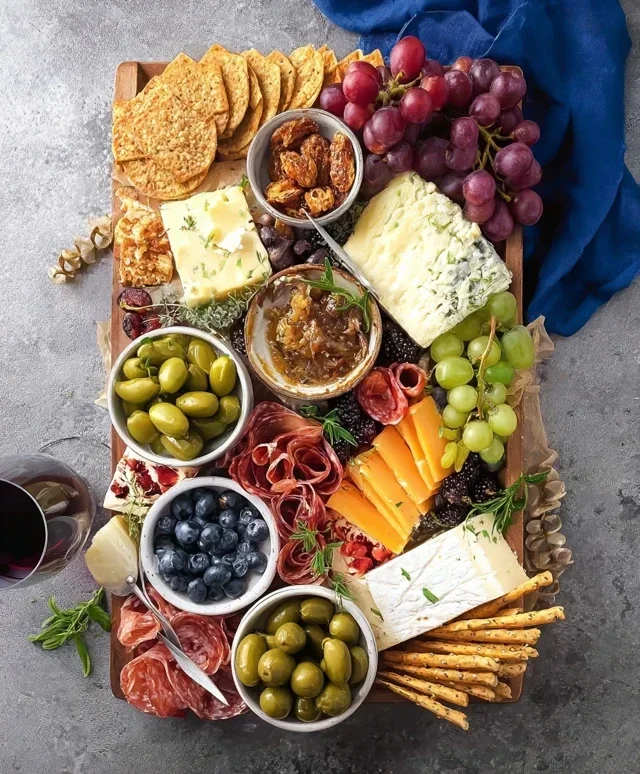
Creating a stunning and delicious graze box or cheese board is an art form that’s surprisingly accessible, even for begin extractners. It’s all about bringin extractg together a symphony of textures, flavors, and colors that will delight your guests (or just yourself!). Whether you’re hosting a party, looking for the perfect appetizer, or simply treating yourself, a well-crafted graze experience is always a hit. Forget fussy recipes; this is about intuitive assembly and showcasing beautiful ingredients.
The beauty of a graze box or cheese board lies in its versatility. You can tailor it to any occasion, dietary need, or personal preference. Think of it as a curated selection of edible treasures, designed for sharing and slow enjoyment. We’ll explore how to build a balanced board that offers something for everyone, from the adventurous palate to the comfort-seeking snack lover.
Ingredients:
Assembly Instructions:
Preparing your graze box or cheese board is a multi-sensory experience, from selecting your ingredients to artfully arrangin extractg them. The key is to create a visually appealing and easily accessible spread.
Step 1: Selecting Your Foundation and Cheeses.
The heart of any graze board is, of course, the cheese. Aim for variety! I like to include at least three to five different types of cheese, offering a range of textures and flavors. Think about a hard, aged cheese like a sharp cheddar or gouda for a robust bite, a soft, creamy cheese like brie or camembert for a luxurious spread, and perhaps a goat cheese or blue cheese for a tangy or pungent kick. If you’re unsure, ask your cheesemonger for recommendations. Allow your cheeses to come to room temperature for about 30-60 minutes before serving. This significantly enhances their flavor and texture, making them softer and more spreadable.
Step 2: Incorporating Cured Meats.
Cured meats add a savory depth and a delightful chew to your board. Beef Prosciutto, with its delicate, salty flavor, is a must-have. Beef Salami, sliced thinly, provides a slightly spicier, more robust option. Beef Chorizo adds a beautiful color and a touch of smoky heat. I often fold or roll the meats to create visual interest and make them easier to pick up. Don’t be afraid to mix and match different types of cured meats to offer a broader flavor profile.
Step 3: Adding Fruits and Dried Fruits for Sweetness and Color.
Fruits are essential for balancing the richness of the cheeses and meats. Fresh grapes, in bunches, add a pop of color and a juicy crunch. Berries, like raspberries and blueberries, bring a vibrant hue and a delightful tartness. Sliced apples or pears offer a crisp texture, and if you’re concerned about browning, a little squeeze of lemon juice will keep them looking fresh. Dried fruits, such as apricots, cranberries, and dates, provide concentrated sweetness and a chewy texture that complements the other elements perfectly.
Step 4: Introducing Crunch with Nuts and Crackers.
For textural contrast, nuts are a fantastic addition. A mix of almonds, walnuts, and pistachios offers different flavors and crunch. Arrange them in small bowls or scatter them around the board. Crackers and bread are the vehicles for enjoying your delicious toppings. I like to include a selection: sturdy water crackers that won’t break, thin breadsticks for a satisfying snap, and perhaps some slices of a crusty baguette or an artisanal seeded bread. This ensures there’s a cracker or bread option for every preference and every type of topping.
Step 5: The Savory Accents – Olives, Pickles, and Dips.
To cut through the richness and add intriguing flavor dimensions, include some briny elements. A small bowl of Kalamata olives offers a Mediterranean flair, while cornichons provide a sharp, vinegary crunch. Pickled onions can add a vibrant color and a tangy bite. Dips and spreads are the final touches that elevate your board. A drizzle of honey over the cheeses is divine, as is a dollop of fig jam for a sweet and savory combination. Whole grain mustard offers a piquant counterpoint to the meats and cheeses, and a smooth hummus can be a crowd-pleaser for those seeking a milder option.
Step 6: The Art of Arrangement and Garnishing.
This is where your creativity shines! Start by placing your cheeses and any larger items (like bowls of dips) on the board. Then, fill in the gaps with the meats, fruits, nuts, and crackers. Think about balance – try to distribute colors and textures evenly. Don’t be afraid to let elements overlap slightly; this creates a fuller, more abundant look. Finally, add your garnishes. Fresh sprigs of rosemary or thyme add a lovely aroma and a touch of green. Edible flowers, if you have them, can add an extra touch of elegance. The goal is to create a visually stunning masterpiece that’s also a joy to eat. Enjoy the process, and more importantly, enjoy the delicious results!
Conclusion:
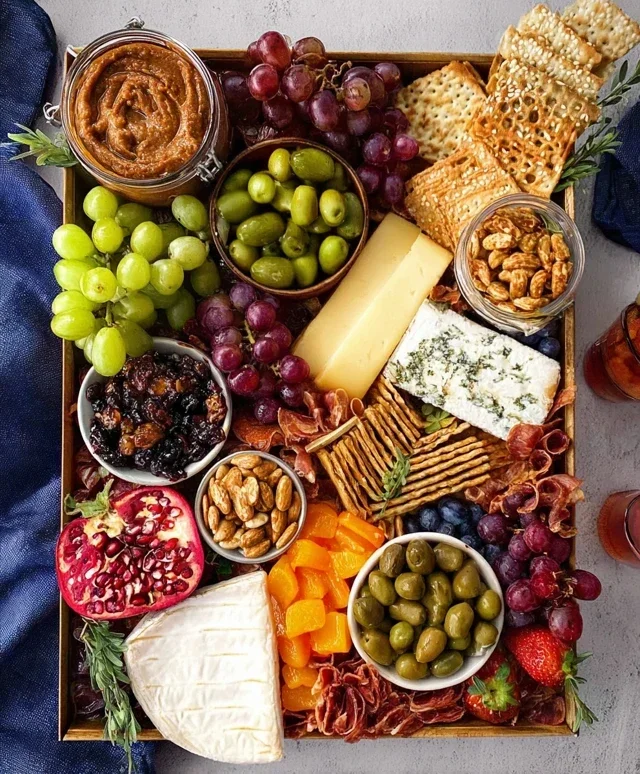
Crafting a gourmet graze box or cheese board is more than just assembling food; it’s an art form that brings people together and elevates any occasion. The beauty of this recipe lies in its versatility and inherent elegance. Whether you’re hosting a sophisticated soirée, a casual get-together with friends, or simply treating yourself to a luxurious solo experience, these boards offer a delightful and approachable way to impress. We’ve explored how to balance flavors, textures, and colors to create a visually stunning and incredibly delicious spread.
Serving these as the star of a party, an appetizer before a main course, or even a light lunch is always a hit. Don’t be afraid to get creative with your selections! Consider seasonal fruits, artisanal crackers, a variety of cheeses from soft and creamy to hard and sharp, cured meats, olives, nuts, and even some sweet elements like honey or fig jam. The possibilities for gourmet graze boxes are truly endless.
I truly encourage you to try this yourself. It’s a rewarding and enjoyable process that allows for personalization and creativity. Step out of your comfort zone and experiment with new ingredients. You might discover your new favorite flavor combination!
Frequently Asked Questions:
What are the essential components of a gourmet graze box?
A truly essential gourmet graze box should include a variety of textures and flavors. Think at least three different cheeses (a soft, a semi-hard, and a hard), a selection of cured meats, some crunchy elements like crackers or breadsticks, and a mix of sweet and savory accompaniments such as olives, nuts, fruit (fresh or dried), and perhaps a small pot of jam or honey. Presentation is key, so consider adding some fresh herbs or edible flowers for a touch of color.
How far in advance can I assemble a cheese board?
For the best quality and freshness, it’s best to assemble your cheese board no more than 1-2 hours before serving. Cheeses are best at room temperature, so remove them from the refrigerator about 30-60 minutes before you plan to serve. You can prep individual components like slicing cheese, arrangin extractg nuts, and portioning out dips earlier in the day and then assemble everything just before guests arrive. This ensures everything looks and tastes its absolute best.
Gourmet Graze Box and Cheese Board
An artfully curated graze box or cheese board featuring a variety of artisanal cheeses, cured meats, fresh fruits, and complementary accouterments for a sophisticated snacking experience.
Ingredients
-
200g Prosciutto di Parma
-
150g Salami, thinly sliced
-
200g Assorted Artisan Cheeses (e.g., Brie, Aged Cheddar, Goat Cheese)
-
1 cup Grapes, various colors
-
1/2 cup Mixed Nuts (e.g., almonds, walnuts)
-
1/4 cup Dried Apricots
-
2 tbsp Fig Jam
-
1/4 cup Olives, mixed varieties
-
1 baguette, sliced
Instructions
-
Step 1
Arrange the assorted artisan cheeses on your chosen board or within the graze box compartments. Aim for a visually appealing distribution. -
Step 2
Drape or fold the Prosciutto di Parma and thinly sliced salami attractively around the cheeses. -
Step 3
Scatter the grapes, mixed nuts, and dried apricots in clusters or small piles amongst the cheeses and meats. -
Step 4
Place small bowls or mounds of olives and the fig jam strategically on the board. -
Step 5
Arrange the sliced baguette alongside the board or in a separate section of the graze box. -
Step 6
Ensure all components are easily accessible and ready to be enjoyed.
Important Information
Nutrition Facts (Per Serving)
It is important to consider this information as approximate and not to use it as definitive health advice.
Allergy Information
Please check ingredients for potential allergens and consult a health professional if in doubt.