Best Chimichurri Sauce Recipe-Easy Argentinian Flavor
Chimichurri sauce recipe: Are you ready to inject some vibrant, zesty, and herbaceous goodness into your meals? I know I am, and that’s why I’m so excited to share my ultimate Chimichurri sauce recipe with you today. This isn’t just any sauce; it’s a flavor explosion that transforms the ordinary into the extraordinary. Think of it as liquid sunshine for your taste buds. People absolutely rave about chimichurri because it’s incredibly versatile, cutting through rich meats with its bright acidity and fresh herbs, while also elevating simple grilled vegetables to a whole new level. What truly makes this chimichurri special is its perfect balance: the punch of garlic, the fresh zest of parsley and oregano, a hint of heat from chili flakes, all married together with good quality olive oil and red grape juice vinegar. It’s simple, it’s fresh, and it’s utterly delicious. Get ready to discover why a great chimichurri sauce recipe is a kitchen essential.
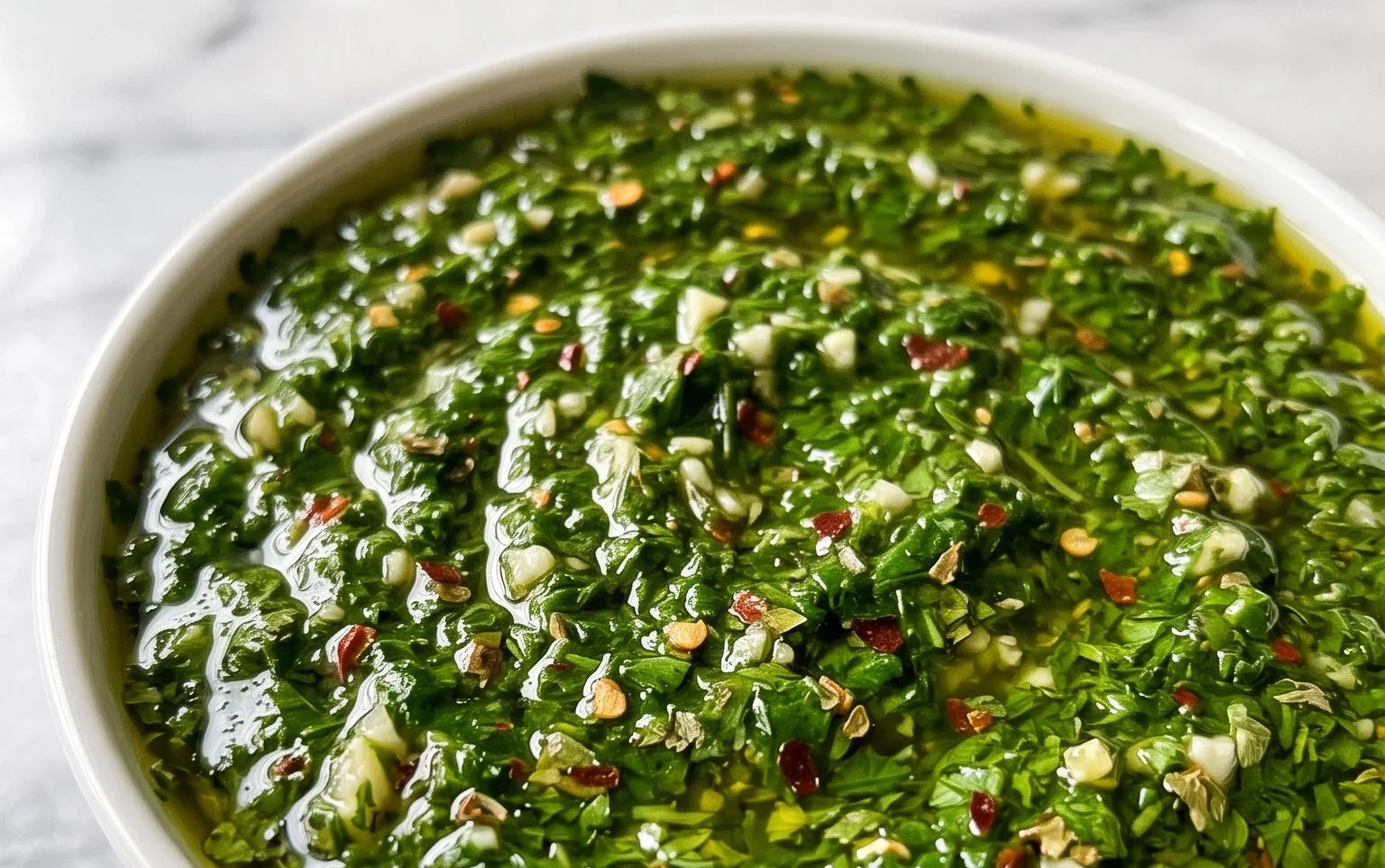
Chimichurri Sauce Recipe
Ah, chimichurri! This vibrant, herbaceous sauce is more than just a condiment; it’s a flavor explosion that can transform any dish from ordinary to extraordinary. Origin extractating from Argentina and Uruguay, chimichurri is traditionally served with grilled meats, particularly steak. However, its bright, zesty profile makes it incredibly versatile. Drizzle it over grilled chicken, fish, or vegetables. Toss it with roasted potatoes, use it as a marinade, or even swirl it into a creamy dip. Once you taste its fresh, punchy goodness, you’ll be reaching for it constantly. Making chimichurri from scratch is surprisingly simple and incredibly rewarding. Forget those jarred imposters; this homemade version is leagues ahead in terms of freshness and flavor.
Ingredients:
Making Your Chimichurri
The beauty of chimichurri lies in its simplicity and the emphasis on fresh, high-quality ingredients. We’re not cooking this sauce; we’re creating a fresh emulsion of herbs, aromatics, and liquids. The goal is to finely chop the ingredients and then let them meld together, allowing the flavors to deepen and marry.
Step 1: Prepare Your Herbs and Aromatics
The first step is all about getting your foundation ready. We need to wash and thoroughly dry our fresh herbs. Any excess moisture can dilute the flavors of your chimichurri and also affect its shelf life. For the parsley, cilantro, and oregano, we’re going to strip the leaves from the stems. Stems can be tough and stringy, and we want a smooth, palatable sauce. You can discard the stems or save them for infusing stock. Once the leaves are stripped, give them a rough chop. Don’t worry about perfection here, as we’ll be processing them further. Next, take your red onion or shallots and give them a rough chop. The red onion will provide a slightly sharper bite, while shallots offer a milder, more delicate onion flavor. Both work wonderfully, so choose your preference. Finally, peel your garlic cloves.
Step 2: Finely Chop the Herbs, Onion, and Garlic
Now it’s time to get our chopping going. You have a couple of options here. For a very rustic, chunky chimichurri, you can use a knife and finely mince everything by hand. This will give you distinct pieces of herbs and aromatics. However, if you prefer a smoother consistency, a food processor is your best friend. Place the chopped parsley, cilantro, oregano, red onion (or shallots), and peeled garlic cloves into the bowl of your food processor. Pulse the mixture until it’s finely chopped. Be careful not to over-process it into a paste; we want some texture. If you’re using a knife, simply chop everything as finely as you can, aiming for small, uniform pieces. The finer you chop, the more the flavors will distribute throughout the sauce.
Step 3: Add the Spices and Liquids
Once your herbs and aromatics are finely chopped, transfer them to a medium-sized bowl. Now it’s time to introduce the exciting elements that will bring our chimichurri to life. Add the red pepper flakes to the bowl. This is where you can control the heat. If you like it mild, start with less and add more to taste. If you’re a heat seeker, feel free to add a bit more. Next, pour in the extra-virgin extract olive oil. Use a good quality olive oil as its flavor will be prominent. Then, add your red grape juice vinegar. Red grape juice vinegar provides a lovely subtle sweetness and a vibrant color, distinguishing it from other vinegars. Follow this with the fresh lemon juice. The acidity from the lemon juice will brighten all the flavors and balance the richness of the olive oil. Finally, sprinkle in the kosher salt. Kosher salt has a clean, pure flavor that enhances without being overpowering.
Step 4: Mix and Marinate
With all the ingredients in the bowl, it’s time to bring them together. Grab a whisk or a fork and stir everything thoroughly. Make sure to scrape down the sides of the bowl to incorporate all the finely chopped bits. We want to ensure that the oil, vinegar, and lemon juice are well emulsified with the herbs and aromatics. The mixture will start to look like a beautiful, verdant sauce. For the best flavor, it’s crucial to let the chimichurri sit and meld. Cover the bowl tightly with plastic wrap or transfer the sauce to an airtight container. Place it in the refrigerator for at least 30 minutes. This marinating time allows the flavors to deepen and for the herbs to release their fragrant oils. The longer it sits, the more complex and integrated the flavors will become. I often find it even better the next day!
Step 5: Adjust Seasoning and Serve
After your chimichurri has had time to marinate, give it another good stir. Taste a small spoonful. This is the most important step to ensure perfect flavor. Do you want it a little more tart? Add a splash more lemon juice or vinegar. Is it not punchy enough? Add a pinch more salt. Does it need a little more heat? Stir in a few more red pepper flakes. Chimichurri is a very personal sauce, and the best way to make it is to suit your own palate. Once you’re happy with the seasoning, your vibrant, homemade chimichurri is ready to be enjoyed!
This versatile sauce is fantastic with grilled steaks, chicken, fish, or even as a vibrant salad dressing. Enjoy the explosion of fresh flavor!
Conclusion:
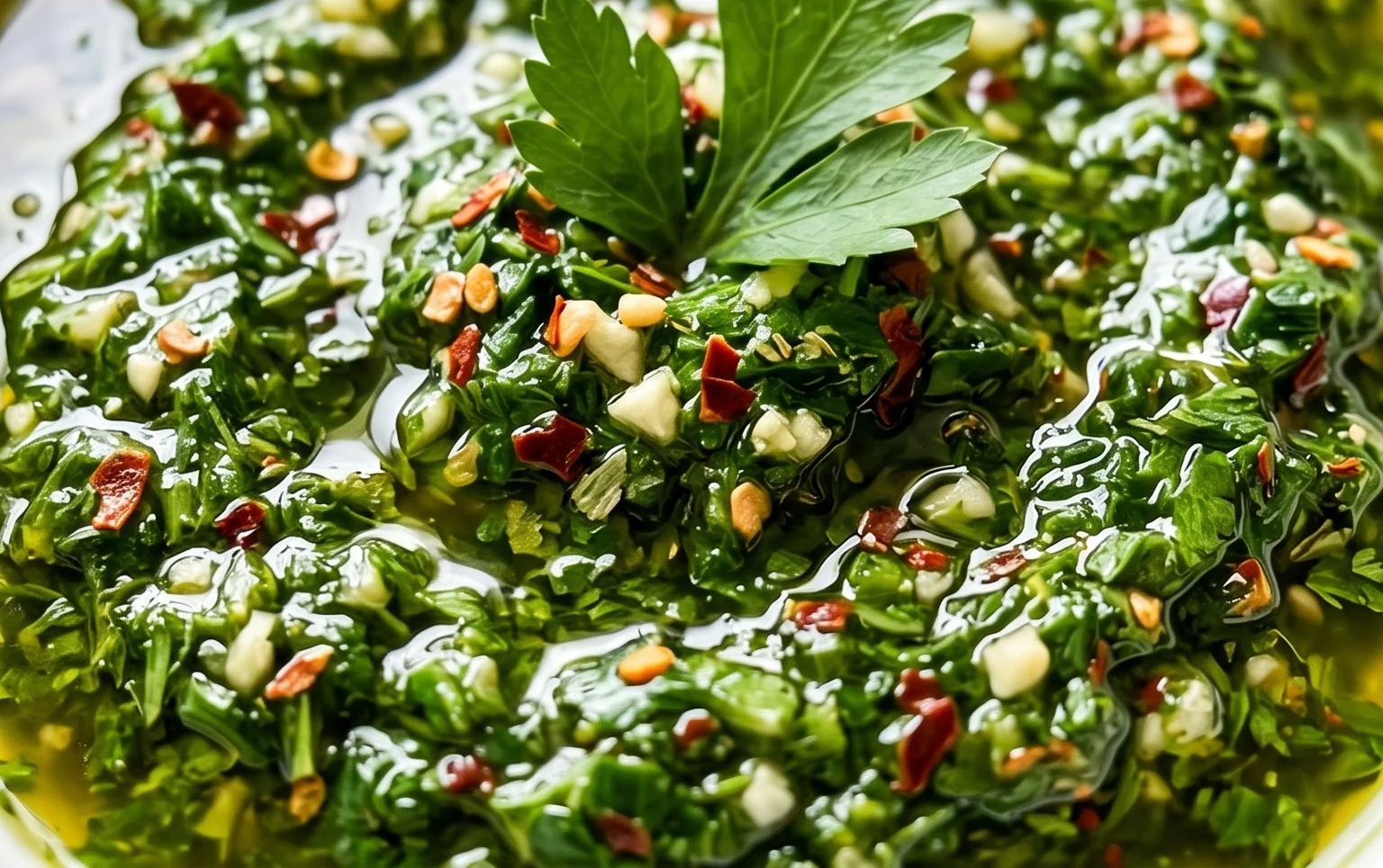
So there you have it – a simple yet incredibly versatile chimichurri sauce recipe that’s sure to elevate your everyday meals! This vibrant, herbaceous sauce is more than just a condiment; it’s a flavor explosion waiting to happen. Its fresh, zesty profile, bursting with garlic, parsley, and oregano, makes it the perfect companion to grilled meats, roasted vegetables, and even as a marinade. I truly believe this recipe is fantastic because it’s so easy to whip up and offers such a massive flavor payoff for minimal effort. You’ll find yourself reaching for it again and again.
Don’t limit yourself to just steak! This chimichurri is incredible drizzled over grilled chicken or fish, tossed with roasted potatoes or Brussels sprouts, or even spread on a sandwich for an extra punch. Feel free to experiment with variations too – a pinch of red pepper flakes can add a lovely heat, or you could swap out some of the parsley for cilantro for a slightly different twist. I really encourage you to give this recipe a try; I’m confident you’ll fall in love with its fresh, bright taste!
Frequently Asked Questions:
How long does chimichurri sauce last?
Properly stored in an airtight container in the refrigerator, your homemade chimichurri sauce can last for up to a week. The fresh herbs will eventually start to lose their vibrant color and flavor, so it’s best enjoyed within that timeframe.
Can I make chimichurri ahead of time?
Absolutely! In fact, making it a few hours or even the day before can allow the flavors to meld beautifully, making it even more delicious. Just be sure to give it a good stir before serving.
What if I don’t have red grape juice vinegar?
No worries! You can substitute white grape juice vinegar or even apple cider vinegar. The key is to have an acidic component to balance the richness of the oil and herbs.
Chimichurri Sauce Recipe
A vibrant and flavorful Argentine sauce, perfect for grilled meats and vegetables. This recipe uses red grape juice vinegar and omits alcohol.
Ingredients
-
1 cup fresh Italian flat-leaf parsley, leaves only, stems removed
-
1/4 cup fresh cilantro, leaves only, stems removed
-
1/4 cup fresh oregano, leaves only, stems removed
-
1/3 cup roughly chopped red onion
-
3 cloves garlic, peeled
-
1/2 teaspoon red pepper flakes
-
1/2 cup extra-virgin olive oil
-
1/4 cup red grape juice vinegar
-
3 tablespoons fresh lemon juice
-
1 teaspoon kosher salt
Instructions
-
Step 1
Finely chop the fresh parsley, cilantro, and oregano. You can use a food processor for this, but be careful not to over-process into a paste. -
Step 2
Add the chopped herbs to a medium bowl. Also add the roughly chopped red onion and peeled garlic cloves. -
Step 3
Stir in the red pepper flakes, extra-virgin olive oil, red grape juice vinegar, fresh lemon juice, and kosher salt. -
Step 4
Whisk everything together until well combined. For a smoother sauce, you can pulse it briefly in a food processor or blender, but a slightly chunky texture is traditional. -
Step 5
Taste and adjust seasoning if necessary. Let the sauce sit for at least 10-15 minutes to allow the flavors to meld before serving. -
Step 6
Serve as a condiment for grilled meats, poultry, fish, or vegetables.
Important Information
Nutrition Facts (Per Serving)
It is important to consider this information as approximate and not to use it as definitive health advice.
Allergy Information
Please check ingredients for potential allergens and consult a health professional if in doubt.