Coconut Cloud Cake Recipe – Light & Fluffy Delight
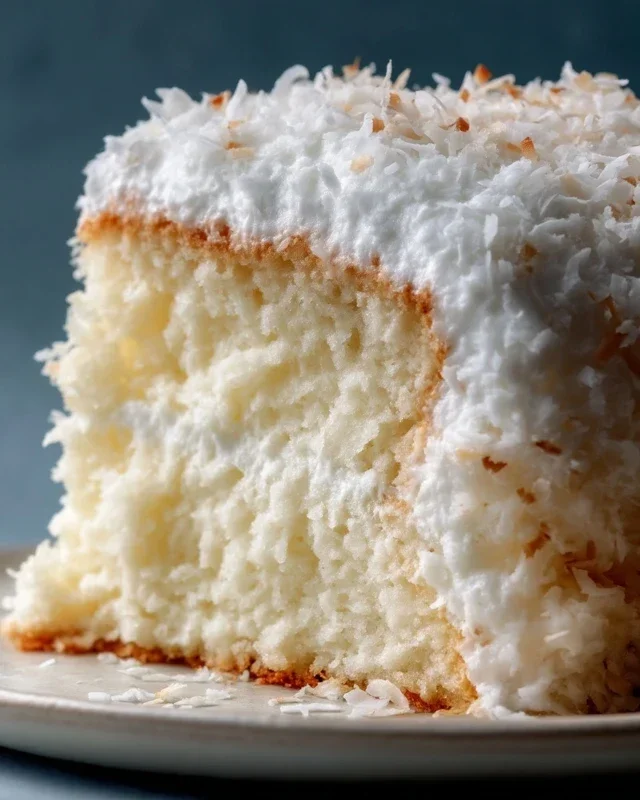
The Coconut Cloud Cake Recipe is your ticket to pure bliss. Imagin extracte a dessert so light and airy it feels like you’re taking a bite out of a fluffy cloud, infused with the tropical sweetness of coconut. This isn’t just another cake; it’s an experience. We all adore desserts that evoke feelings of comfort and celebration, and this particular Coconut Cloud Cake Recipe delivers on all fronts. What sets it apart is its incredible texture – a delicate crum extractb that melts in your mouth, enhanced by a subtle yet distinct coconut flavor that doesn’t overpower, but rather enhances every single bite. It’s the perfect centerpiece for any occasion, or simply a delightful treat to brighten your day.
Ingredients:
This Coconut Cloud Cake is a dream come true for any coconut lover. It’s incredibly moist, bursting with delicate coconut flavor, and topped with a creamy, dreamy frosting that truly lives up to the “cloud” name. The combination of tender cake and luscious frosting is pure bliss. Whether you’re celebrating a special occasion or simply craving a delightful treat, this cake is sure to impress. The process itself is quite straightforward, and I’ll guide you through each step to ensure your success. Let’s get baking!
Baking the Coconut Cloud Cake
1. Prepare Your Dry and Wet Ingredients:
First things first, preheat your oven to 350°F (175°C). Grease and flour two 8-inch round cake pans. This is a crucial step to prevent your beautiful cake from sticking. In a medium bowl, whisk together the all-purpose flour, baking powder, and salt. Make sure these dry ingredients are thoroughly combined; this ensures an even rise and texture for your cake. Set this bowl aside.
2. Cream the Butter and Sugar:
In a large mixing bowl, cream together the softened unsalted butter and granulated sugar. Use an electric mixer (stand mixer or hand mixer) on medium-high speed. You’re looking for a light, fluffy, and pnon-alcoholic ale yellow mixture. This process, called creaming, incorporates air into the batter, which contributes to the cake’s tender crum extractb and rise. Scrape down the sides of the bowl occasionally to ensure everything is evenly mixed. This usually takes about 3-5 minutes.
3. Incorporate the Eggs and Extracts:
Now, add the room temperature eggs one at a time, beating well after each addition. Adding them gradually helps them emulsify better with the butter and sugar mixture. After all the eggs are incorporated, beat in the vanilla extract and coconut extract. The aroma will already start to hint at the deliciousness to come!
4. Alternate Dry and Wet Ingredients:
This is where we bring our dry and wet ingredients together. With the mixer on low speed, gradually add the flour mixture to the wet ingredients, alternating with the coconut milk. Begin extract and end with the dry ingredients. For example, add about a third of the flour mixture, mix until just combined, then add half of the coconut milk, mix, then another third of the flour mixture, the remaining coconut milk, and finally the last third of the flour mixture. Be careful not to overmix at this stage. Overmixing can develop the gluten in the flour too much, resulting in a tough cake. Mix until just a few streaks of flour remain, then give it a final gentle stir with a spatula to ensure everything is incorporated.
5. Bake to Perfection:
Divide the batter evenly between your prepared cake pans. Smooth the tops with a spatula. Bake for 30-35 minutes, or until a wooden skewer or toothpick inserted into the center of the cakes comes out clean. The cakes should be golden brown and spring back lightly when touched. Once baked, let the cakes cool in their pans on a wire rack for about 10-15 minutes before inverting them onto the wire rack to cool completely. Allowing them to cool in the pans for a bit helps them set and prevents them from breaking when you invert them.
Whipping Up the Coconut Cloud Frosting
While your cakes are cooling, it’s time to make the star of the show: the frosting!
1. Beat the Cream Cheese:
In a medium bowl, beat the softened cream cheese with an electric mixer until it’s smooth and creamy. This is essential for a lump-free frosting.
2. Add Flavor and Sweetness:
Beat in the powdered sugar, vanilla extract, and coconut extract until well combined and smooth.
3. Whip the Cream:
In a separate, chilled bowl, whip the heavy whipping cream on medium-high speed until stiff peaks form. Be careful not to overwhip, or you’ll end up with butter.
4. Fold to Create the Cloud:
Gently fold the whipped cream into the cream cheese mixture. Use a spatula and a gentle folding motion to combine. You want to keep as much air in the whipped cream as possible, which will give your frosting that light, airy, “cloud-like” texture.
Assembling Your Coconut Cloud Cake
1. Level and Stack:
Once your cake layers are completely cool, you can assemble the cake. If your cakes have domed tops, you can gently level them with a serrated knife to create flat surfaces. This makes stacking and frosting much easier. Place one cake layer on your serving plate or cake stand.
2. Frost Generously:
Spread a thick, even layer of the coconut cloud frosting over the top of the first cake layer. Don’t be shy! This frosting is wonderfully light and melts in your mouth.
3. Add the Second Layer:
Carefully place the second cake layer on top of the frosting.
4. Frost the Entire Cake:
Now, frost the top and sides of the entire cake with the remaining frosting. Use an offset spatula to create smooth sides or create decorative swirls.
5. Add the Finishing Touch:
Finally, sprinkle the sweetened shredded coconut over the top of the cake. If you’re using toasted coconut, it will add a delightful nutty crunch and a richer flavor. Fresh coconut will offer a more delicate flavor and softer texture.
Let your Coconut Cloud Cake chill in the refrigerator for at least 30 minutes before slicing and serving. This allows the frosting to set slightly, making it easier to cut clean slices. Enjoy every fluffy, flavorful bite!
Conclusion:
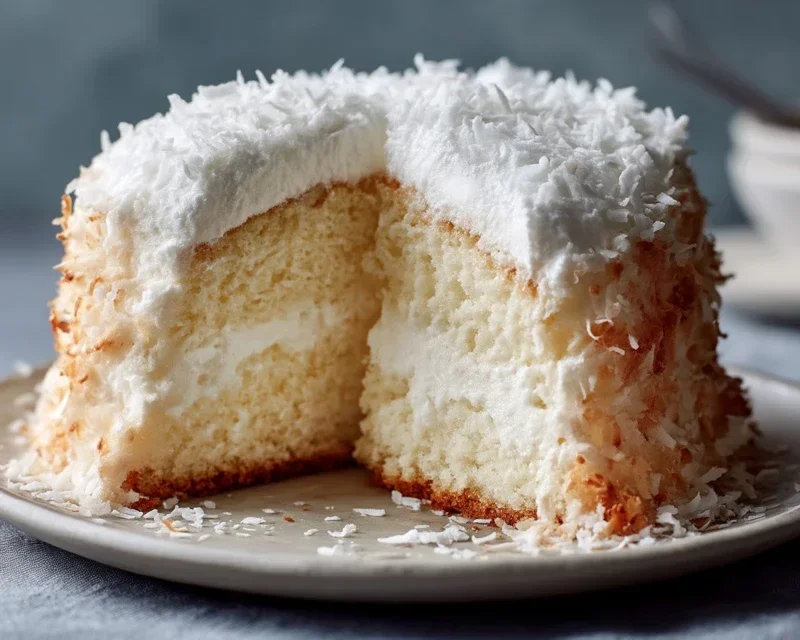
And there you have it – the recipe for a truly divine Coconut Cloud Cake! I’m so excited for you to try this incredibly light, airy, and delightfully tropical dessert. The combination of shredded coconut in the cake and the creamy coconut frosting creates a flavor profile that’s simply irresistible, earning it a permanent spot in my recipe collection. It’s the perfect dessert for celebrations, a special treat on a weekend, or whenever you’re craving a slice of pure, fluffy bliss. Imagin extracte serving this at your next gathering; the delicate coconut flavor and cloud-like texture are sure to impress everyone.
This Coconut Cloud Cake is incredibly versatile. I love serving it simply dusted with more shredded coconut or with a dollop of fresh whipped cream. For an extra touch of elegance, consider adding some toasted coconut flakes for a delightful crunch and intensified flavor. You can also elevate it further by adding a drizzle of coconut caramel sauce or a scattering of fresh berries.
Don’t be afraid to get creative with variations! You could fold in some lime zest for a zesty twist, or even add a touch of rum extract extract to the batter for a more sophisticated flavor. For a richer experience, try incorporating a layer of coconut cream into the frosting. I truly encourage you to bake this recipe; the process is rewarding, and the result is an absolute triumph. Prepare to be delighted!
Frequently Asked Questions:
Can I make this Coconut Cloud Cake ahead of time?
Absolutely! The cake layers can be baked a day in advance and stored at room temperature, wrapped tightly. The frosting can also be made a day ahead and refrigerated. Allow the frosting to soften slightly at room temperature before assembling the cake for the best consistency. This makes it a fantastic option for busy hosts!
What kind of coconut is best for this recipe?
For the cake, I recommend using sweetened shredded coconut. It adds both moisture and sweetness. For the frosting, unsweetened shredded coconut can also be used, and you can adjust the sugar to your preference. If you prefer a more intense coconut flavor, you can also add a tablespoon or two of coconut extract to the batter or frosting.
My frosting seems too thin. What can I do?
If your frosting is too thin, try adding a little more powdered sugar, a tablespoon at a time, until it reaches your desired consistency. Make sure your butter is softened, not melted, for the best frosting results. You can also try chilling the frosting for about 15-20 minutes if it’s a bit too soft to pipe or spread easily.
Coconut Cloud Cake Recipe
A light and airy coconut cake with a creamy coconut frosting, reminiscent of a fluffy cloud.
Ingredients
-
2 1/2 cups all-purpose flour
-
2 1/2 teaspoons baking powder
-
1/2 teaspoon salt
-
1 cup unsalted butter, softened
-
2 cups granulated sugar
-
4 large eggs, room temperature
-
1 teaspoon vanilla extract
-
1 teaspoon coconut extract
-
1 cup coconut milk
-
1 1/2 cups heavy whipping cream
-
8 oz cream cheese, softened
-
1/2 cup powdered sugar
-
1 cup sweetened shredded coconut (toasted or fresh)
Instructions
-
Step 1
Preheat oven to 350°F (175°C). Grease and flour two 9-inch cake pans. -
Step 2
In a medium bowl, whisk together flour, baking powder, and salt. Set aside. -
Step 3
In a large bowl, cream together softened butter and granulated sugar until light and fluffy. Beat in eggs one at a time, then stir in vanilla and coconut extracts. -
Step 4
Gradually add the dry ingredients to the wet ingredients, alternating with the coconut milk. Mix until just combined. -
Step 5
Pour batter evenly into prepared cake pans. Bake for 30-35 minutes, or until a wooden skewer inserted into the center comes out clean. -
Step 6
Let cakes cool in pans for 10 minutes, then invert onto a wire rack to cool completely. -
Step 7
For the frosting, beat heavy whipping cream until stiff peaks form. In a separate bowl, beat softened cream cheese and powdered sugar until smooth. Gently fold in the whipped cream, vanilla extract, and coconut extract. -
Step 8
Frost the cooled cakes and sprinkle with sweetened shredded coconut.
Important Information
Nutrition Facts (Per Serving)
It is important to consider this information as approximate and not to use it as definitive health advice.
Allergy Information
Please check ingredients for potential allergens and consult a health professional if in doubt.