
Easy Miso Soup Recipe – Quick & Delicious Bowl
Miso soup recipe – ah, the comforting embrace of a warm bowl on a chilly evening, or the refreshing start to a vibrant meal. There’s something undeniably special about this humble yet profound dish that has captured hearts (and stomachs!) across the globe. People love miso soup for its incredible versatility, its deeply savory umami flavor, and its surprisingly simple preparation. It’s more than just a broth; it’s a culinary cornerstone of Japanese cuisine, a testament to the power of fermentation and the subtle elegance of a few well-chosen ingredients. What truly makes this miso soup recipe stand out is the ability to personalize it, transforming a basic foundation into a symphony of textures and tastes. Get ready to discover how easy it is to bring this authentic taste of Japan right into your own kitchen, creating a dish that’s both nourishing and incredibly satisfying.
Why This Miso Soup Recipe is a Keeper
Simple, Savory, and Satisfying

Miso Soup Recipe
There’s something incredibly comforting and soul-warming about a bowl of authentic miso soup. It’s a staple in Japanese cuisine, known for its delicate umami flavor and healthful properties. While it might seem intimidating to make from scratch, I promise you, it’s surprisingly simple and incredibly rewarding. This recipe focuses on the essential ingredients to bring you a classic, delicious miso soup that you can whip up in just a few minutes. It’s the perfect starter for any Japanese meal, or even a light and satisfying snack on its own. Let’s dive in and create this delightful soup together!
Ingredients:
Instructions:
Preparing the Base: The Dashi and Seaweed
The foundation of any great miso soup is the dashi. Dashi is a Japanese soup stock that provides a subtle, savory depth. You can purchase instant dashi granules or powder, which is incredibly convenient. If you’re feeling adventurous, you can also make dashi from scratch using kombu (kelp) and katsuobushi (dried bonito flakes), but for this quick recipe, instant is perfectly acceptable. Begin extract by bringin extractg your 2½ cups of water to a simmer in a medium-sized saucepan. If you are using instant dashi granules, whisk them into the simmering water according to the package instructions. If you’re using dashi powder, it’s often dissolved in cold water first before heating, so check your product’s directions.
Once your dashi is ready, it’s time to rehydrate the dried seaweed. Add the 1 heaping tablespoon of dried seaweed directly into the simmering dashi. Most dried seaweeds, like wakame, will unfurl and expand as they absorb the liquid. Give it a gentle stir. This process usually takes only a minute or two. You’ll notice the seaweed becoming tender and adding a lovely, oceanic aroma to the broth. Be careful not to overcook the seaweed; it should remain slightly chewy.
Adding the Tofu
Next, we introduce the silken tofu. Carefully add your 4 oz of silken tofu, which you’ve already cut into small, bite-sized pieces. The silken tofu is delicate, so handle it gently to prevent it from breaking apart too much in the soup. It will warm through quickly in the simmering dashi. The tofu adds a wonderful creamy texture and is a classic component of miso soup, absorbing the flavors of the broth beautifully. Allow the tofu to heat through for about 1-2 minutes.
Incorporating the Miso Paste: The Crucial Step
This is perhaps the most important step in making miso soup: dissolving the miso paste. Miso paste is a fermented soybean paste, and its flavor is delicate and complex. It’s vital that you do not boil the miso paste once it’s added to the soup, as boiling can destroy its beneficial probiotics and diminish its nuanced flavor. Instead, the best method is to temper it. Ladle about half a cup of the hot dashi broth into a small bowl. Then, add your 2 to 2½ tablespoons of miso paste to this bowl. Start with 2 tablespoons if you’re unsure of your preference, and you can always add more later. Using a fork or a whisk, stir the miso paste vigorously into the hot broth until it is completely dissolved and forms a smooth slurry. This tempering process ensures that the miso paste disperses evenly throughout the soup without clumping, and prevents it from being boiled.
Now, carefully pour this dissolved miso mixture back into the main saucepan with the dashi, seaweed, and tofu. Stir gently to combine everything thoroughly. At this stage, you’ll notice the soup taking on its characteristic opaque appearance and rich aroma. Taste the soup and adjust the miso paste if you desire a stronger flavor. Remember, miso paste can vary in saltiness and intensity, so tasting and adjusting is key to achieving your perfect bowl. If you feel it needs a little more depth, dissolve another half tablespoon or tablespoon of miso paste in a small amount of broth and add it to the soup.
Final Touches and Serving
Once you’ve achieved your desired miso flavor, give the soup a final gentle stir. You want the ingredients to be heated through, but remember, no boiling after the miso has been added. The goal is a warm, flavorful, and nourishing soup.
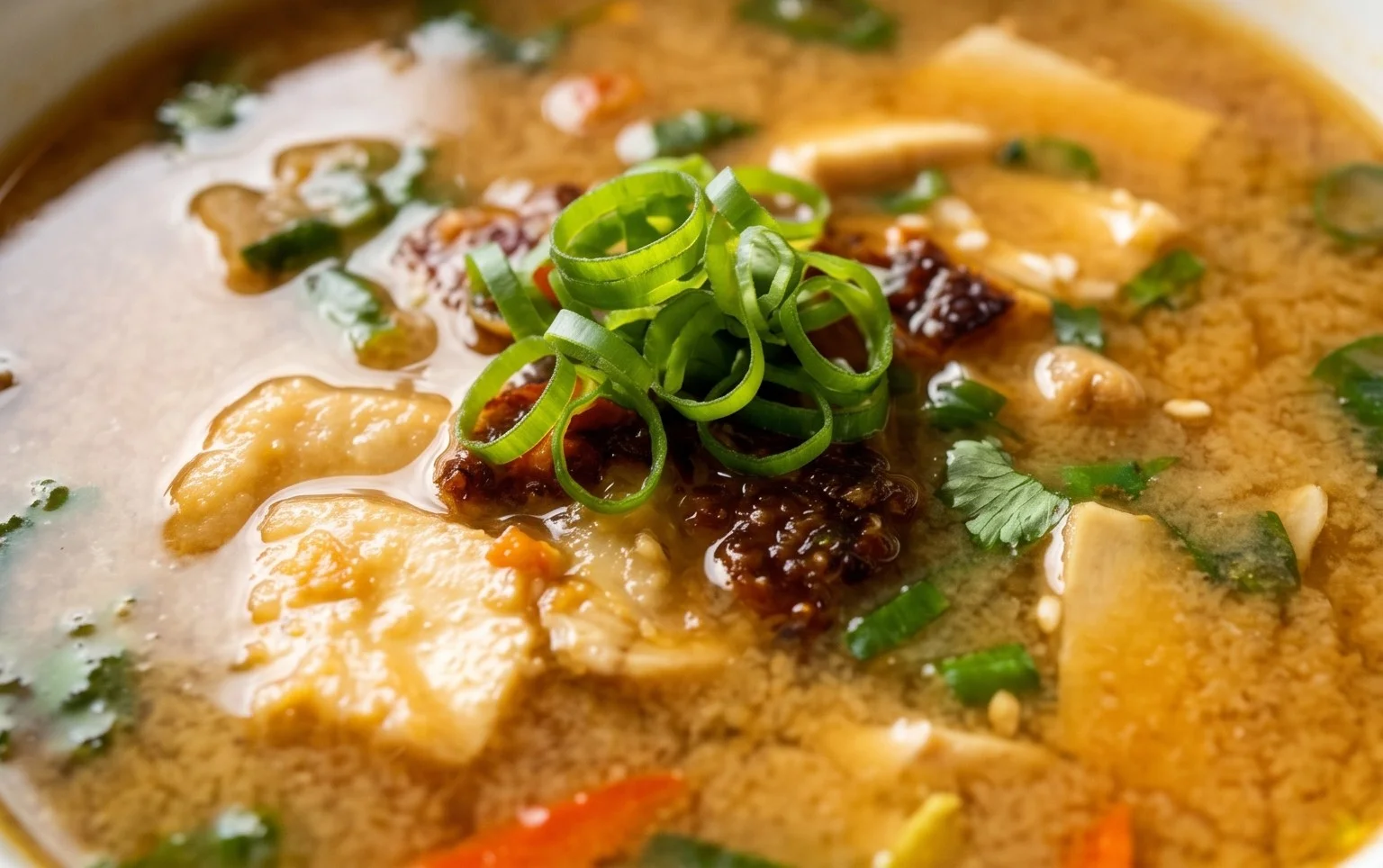
To serve, ladle the miso soup into individual bowls. The heat from the soup will further warm the tofu and seaweed. Finally, sprinkle the chopped scallions over the top of each bowl. The fresh, slightly pungent flavor of the scallions provides a delightful contrast to the rich, savory broth and adds a vibrant touch of color. Serve immediately and savor the comforting goodness of your homemade miso soup. It’s a simple yet profound dish that embodies the essence of Japanese culinary simplicity and flavor. Enjoy every spoonful!
Conclusion:
And there you have it – a simple yet incredibly satisfying Miso Soup Recipe that’s perfect for any occasion. We’ve explored how this comforting bowl is not only quick to prepare, making it an ideal weeknight meal or appetizer, but also packed with umami-rich flavor and health benefits. Its versatility truly shines, allowing you to adapt it to your personal taste and what you have on hand. Whether you’re enjoying it as a light starter before a Japanese feast, a nourishing lunch, or a comforting evening pick-me-up, this miso soup is sure to become a staple in your kitchen.
Don’t hesitate to experiment with different toppings and ingredients! Add cubed tofu for extra protein, slivers of shiitake mushrooms for an earthy depth, or a sprinkle of toasted sesame seeds for a nutty crunch. Feel free to swap out dashi for vegetable broth for a vegetarian version, or add a touch of gin extractger and garlic for a spicier kick. I genuinely encourage you to give this recipe a try – you might be surprised at how easily you can create such a delicious and authentic-tasting dish at home.
Frequently Asked Questions:
What kind of miso paste should I use?
For this recipe, we recommend using a good quality white miso (shiro miso) for its mild, slightly sweet flavor. However, you can also experiment with red miso (aka miso) for a bolder, more savory taste, or a combination of both.
Can I make miso soup ahead of time?
While miso soup is best enjoyed fresh, you can prepare the dashi broth and have your solid ingredients ready in advance. Add the miso paste and delicate ingredients like tofu and green onions just before serving to preserve their flavor and texture.
Are there any other additions I can make?
Absolutely! Beyond the suggestions in the recipe, consider adding cooked ramen noodles, a poached egg, or some cooked shrimp for a more substantial meal. A dash of chili oil can also add a lovely warmth.
Miso Soup Recipe
A simple and flavorful traditional Japanese miso soup.
Ingredients
-
2½ cups Dashi
-
1 heaping tablespoon dried wakame seaweed
-
4 oz silken tofu, cut into small pieces
-
2-2½ tablespoons white miso paste, or to taste
-
1 tablespoon scallion, chopped
-
Optional: a pinch of red pepper flakes for a little heat
Instructions
-
Step 1
In a medium pot, bring the Dashi to a gentle simmer over medium heat. -
Step 2
Add the dried wakame seaweed to the simmering Dashi. Let it rehydrate for about 2-3 minutes. -
Step 3
Gently add the cut silken tofu to the pot. -
Step 4
In a small bowl, whisk the miso paste with a ladleful of the hot Dashi until smooth. This prevents clumps. -
Step 5
Pour the miso mixture back into the pot. Stir gently to combine. Do not boil the soup after adding miso, as this can diminish its flavor and aroma. -
Step 6
Simmer for another minute or two until the tofu is heated through. -
Step 7
Ladle the miso soup into bowls and garnish with chopped scallions and optional red pepper flakes.
Important Information
Nutrition Facts (Per Serving)
It is important to consider this information as approximate and not to use it as definitive health advice.
Allergy Information
Please check ingredients for potential allergens and consult a health professional if in doubt.